
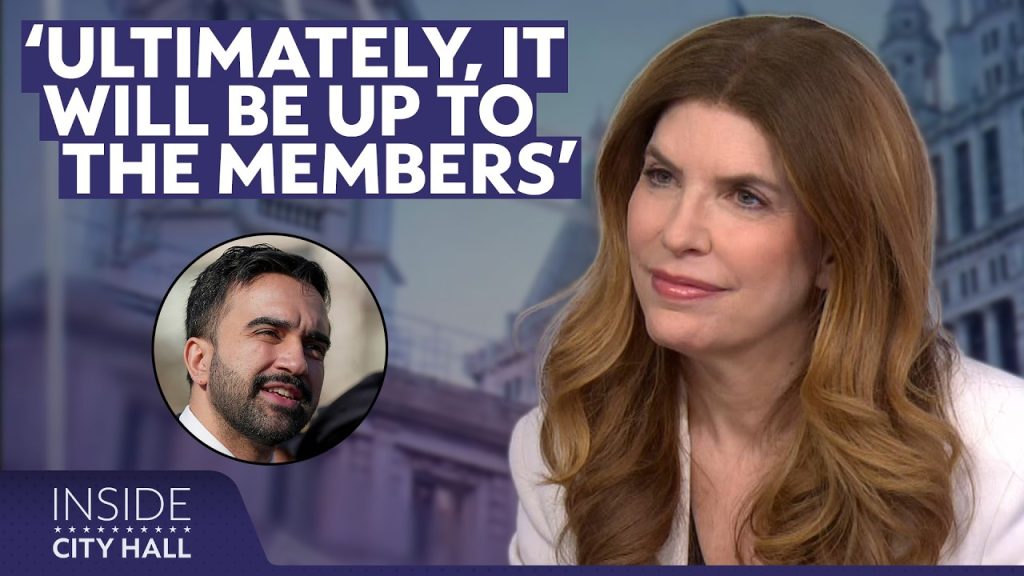
New York City Mayor Zohran Mamdani has vetoed a controversial bill requiring the NYPD to develop a plan for “buffer zones” at protests near schools and educational institutions. The City Council must now decide whether to uphold the veto or attempt an override, which would require additional votes.
Key Facts
- Mayor: Zohran Mamdani
- Issue: NYPD “buffer zones” at protests near schools
- Council Action: Bill passed; now vetoed
- Next Step: Council can override veto or let it stand
- Override Threshold: 34 votes required
- Current Support: Around 30 votes
- Key Figure: Council Speaker Julie Menin
- Debate Focus: Public safety vs. constitutional protest rights
What the Bill Proposed
The legislation would require the NYPD to create and publish a plan for establishing safe-access perimeters—also known as “buffer zones”—around schools and educational institutions during protests involving:
- harassment
- intimidation
- risk of injury
Supporters argue the bill is about transparency and safety, ensuring students can enter and exit schools without disruption.
Why Mayor Mamdani Vetoed It
Mayor Mamdani raised several concerns:
- Constitutional issues tied to the right to protest
- The bill is too broad, potentially covering universities, hospitals, and museums
- Risk of overreach in policing demonstrations
His position reflects a broader tension between civil liberties and public order in New York City.
Council’s Next Move: Override or Retreat
The City Council now has two options:
- Let the veto stand — the bill dies
- Override the veto — requires at least 34 votes
With approximately 30 votes initially supporting the bill, Council leadership must now convince additional members to switch positions.
Council Speaker Julie Menin confirmed she is actively consulting colleagues before deciding the next step.
Political and Social Context
The debate is unfolding amid rising tensions around protests in NYC, including:
- Campus demonstrations
- Protests tied to global conflicts
- Concerns about harassment, especially targeting students
Supporters of the bill point to incidents like protests at Columbia University, where access to campus buildings was disrupted.
Critics warn that expanding police authority could chill lawful protest activity.
Key Debate: Safety vs. Free Speech
This issue highlights a core policy conflict:
- Proponents:
Protect students, prevent intimidation, increase NYPD transparency - Opponents:
Risk infringing on First Amendment rights, vague enforcement boundaries
Q&A
Q: What are “buffer zones”?
A: Designated areas created by police to ensure safe access to buildings during protests.
Q: Does the bill affect peaceful protests?
A: No, it applies only in cases involving harassment, intimidation, or threats.
Q: Can the Council override the veto?
A: Yes, but it needs at least 34 votes.
Q: Why is the bill controversial?
A: It raises constitutional concerns about limiting protest activity.
Mayor Mamdani’s veto has set up a critical test for the New York City Council. The outcome will shape how the city balances public safety, student access, and the right to protest—a debate that is increasingly relevant in today’s political climate.