





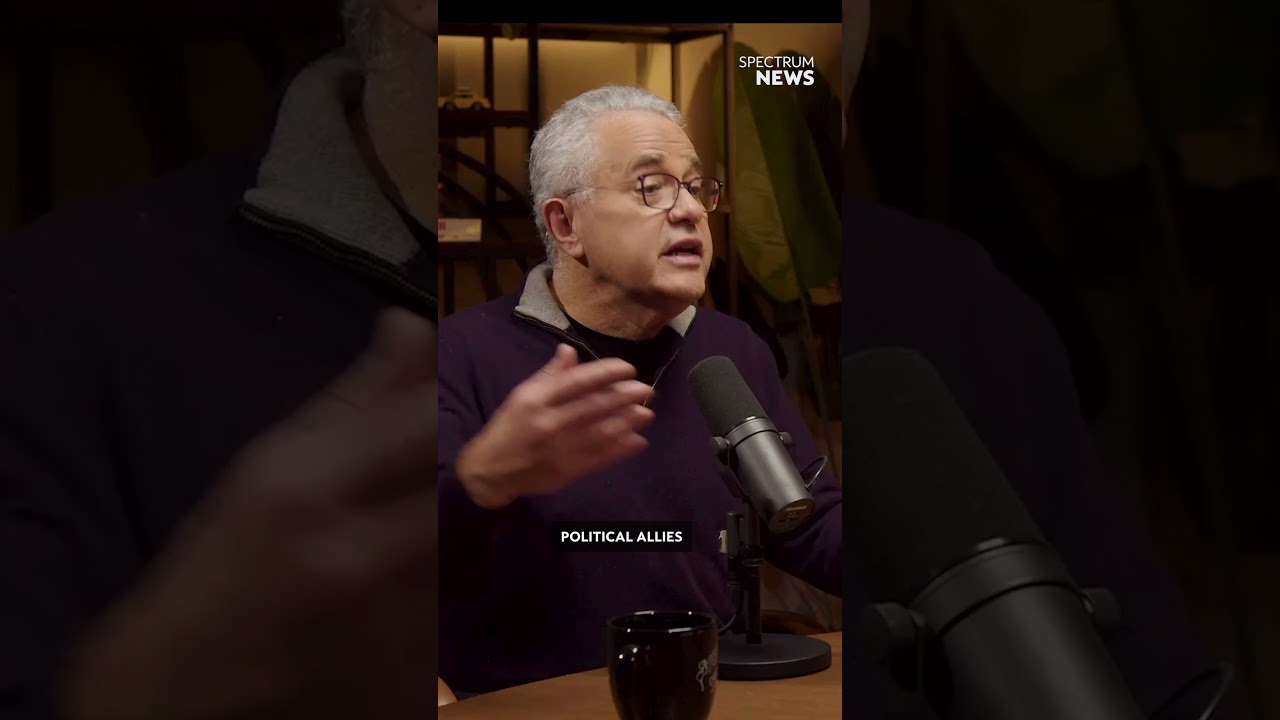
The politics behind President Trump’s pardons | You Decide.
n this video, Errol Louis interviews legal analyst Jeffrey Toobin about his book, The Pardon: The Politics of Presidential Mercy, and its implications on current political events .
Key Discussion Points:
- The Presidential Pardon Power (2:46): Toobin explains that the pardon power, as envisioned by Alexander Hamilton, is almost unchecked, similar to the power of a king. It was intended both as a remedy for injustice and a political tool to ease controversies.
- Historical Pardons and Their Consequences (4:01):
- George Washington and the Whiskey Rebellion: Washington used pardons to heal political wounds after the rebellion.
- Abraham Lincoln and the Civil War: Lincoln offered amnesty to Confederate soldiers to unite the nation.
- Ford’s Pardon of Nixon: This controversial pardon (5:27) was an attempt to move past Watergate but significantly impacted Ford’s political career. Toobin emphasizes that there was no corrupt deal between Ford and Nixon.
- Controversial Pardons and Presidential Practices (8:56):
- Jimmy Carter’s Pardons: Carter issued a mass amnesty for Vietnam War resistors (9:18). However, he also controversially pardoned folk singer Peter Yarrow for sex crimes on his last day in office (9:34).
- End-of-Presidency Pardons: Toobin notes that presidents often issue controversial pardons at the very end of their terms, as seen with George H.W. Bush (10:41) and Bill Clinton (10:45), to bury the news under the incoming administration.
- Donald Trump’s Approach to Pardons (10:55): Unlike his predecessors, Trump issued pardons throughout his administration, often ignoring the Office of the Pardon Attorney (14:26). His pardons were seen as transactional, benefiting political allies (15:06), friends (15:21), and even punishing enemies (15:33) by pardoning all those prosecuted by Robert Mueller.
- The First Step Act (16:08): Toobin highlights the irony that Trump signed this effective law, which allowed many low-level drug offenders to seek sentence reductions, but neither he nor Democrats publicly discuss it due to political reasons.
- January 6th Pardons and the “Willie Horton” Problem (17:23): Trump’s stance on pardoning January 6th participants is discussed, bringing up the “Willie Horton” problem (17:40), where pardoned individuals commit new crimes, reflecting poorly on the president.
- Supreme Court Decisions and Executive Power (22:49): Toobin expresses concern over the Supreme Court’s decision in Trump v. United States, which grants broad immunity from prosecution for official presidential actions. He fears this could lead to the “criminalization of politics” and allow future presidents to act with impunity (24:01).
- Hollowing Out of the Justice Department (30:00): Toobin laments the significant number of resignations from the Department of Justice due to prosecutors being asked to pursue politically motivated cases, leading to a decline in the prosecution of real crimes.
- Supreme Court’s Role in Modern Politics (32:02): Toobin criticizes Chief Justice John Roberts for not taking a more public role in addressing larger societal issues, unlike previous Chief Justices (32:38). He also points out how the Court’s procedural decisions, like not expediting cases against Trump (33:30), can effectively dictate outcomes.
Video
NY1 and Spectrum News