
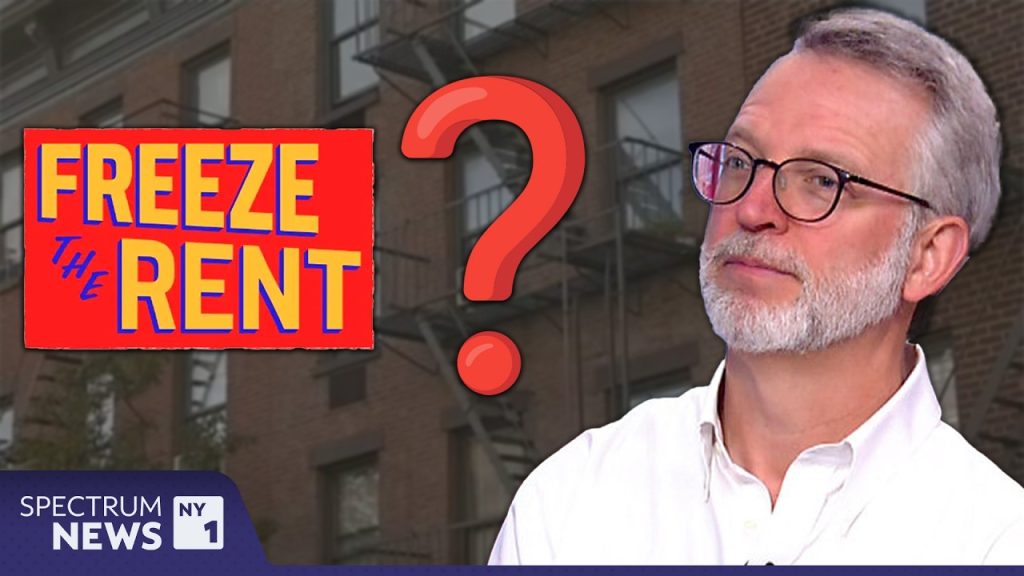
Mayor Zohran Mamdani gained majority control of the Rent Guidelines Board, increasing chances of a rent freeze, but the final decision depends on economic data and a June vote.
A major housing policy battle is unfolding in New York City as Mayor Zohran Mamdani moves closer to fulfilling one of his most prominent campaign promises: freezing rents on stabilized apartments.
The decision will ultimately be made by the New York City Rent Guidelines Board, a nine-member panel responsible for setting annual rent adjustments for roughly one million regulated units across the city.
Power shift on the board
Despite a late effort by former mayor Eric Adams to lock in board appointments for an extended period, Mamdani successfully secured control by appointing a majority of members.
That shift significantly changes the dynamics ahead of the June vote, where the board could approve anything from a full rent freeze (0%) to a rent increase.
How the decision is made
According to former board chair David Reiss, the process is driven by three primary datasets:
- Price index (building operating costs such as fuel, labor, insurance)
- Tenant income and affordability studies
- Housing market conditions (including vacancy rates)
The board must translate these complex and often conflicting inputs into a single number — the annual rent adjustment.
A “blunt instrument”
Reiss described the system as a “blunt instrument,” meaning the same decision applies broadly across very different types of buildings — from small properties to large mixed-use developments.
That limitation makes it difficult to craft a solution that satisfies both tenants and landlords.
Political reality vs economic pressure
While tenant advocates strongly support a rent freeze, landlords argue that rising costs are already putting financial pressure on buildings.
Reiss warned that without additional policy changes, parts of the city’s housing stock could face serious financial distress in the coming years — particularly in areas like the Bronx and northern Manhattan.
What happens next
The board’s public members — considered the key swing votes — will play a decisive role. While Mamdani’s appointments increase the chances of a freeze, members are still expected to weigh economic data and long-term housing stability.
The final decision, expected in June, will signal not just rent policy — but the broader direction of housing governance in New York City.