
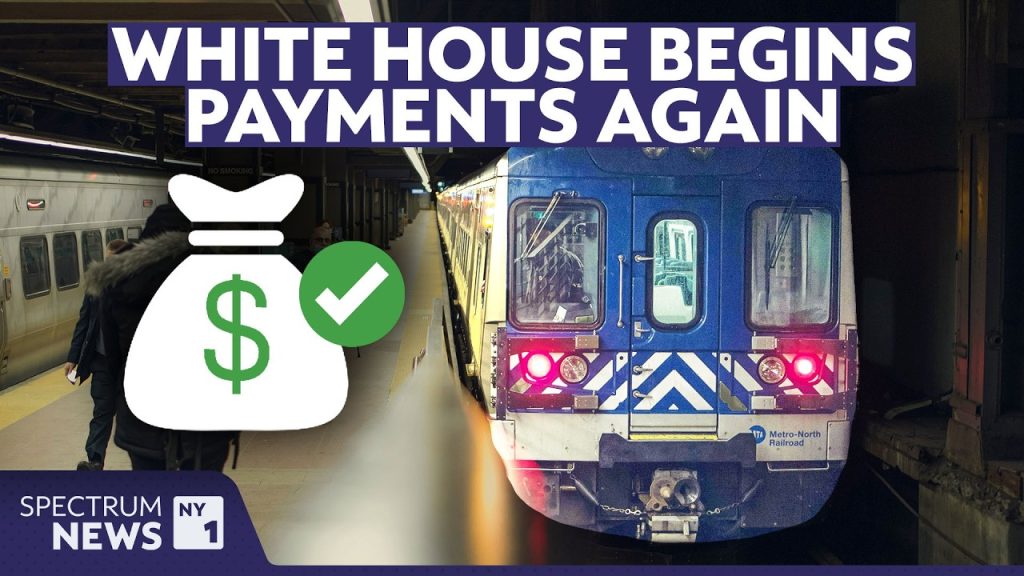
The Metropolitan Transportation Authority secured a major win after the federal government agreed to restore funding for the Second Avenue Subway expansion. Payments totaling $3.4 billion will resume, allowing the long-delayed Q line extension to Harlem to move forward.
Key facts
- The MTA sued the federal government over suspended subway funding.
- Funding was paused for 7 months before being restored.
- The Donald Trump administration reversed course just before a court hearing.
- The project will extend the Q line from 96th Street to 125th Street.
- Total project cost is estimated at $7 billion.
- Delays impacted key construction contracts, including the 106th Street station.
Q&A
Q: Why was the funding stopped?
A: Federal officials cited new contracting rules related to race and gender requirements.
Q: Why did funding come back?
A: The reversal came just before a court battle, after pressure from the MTA lawsuit.
Q: What does this mean for New York?
A: The project can continue, bringing long-awaited subway access to Harlem.
Q: Did politics play a role?
A: Public statements from President Trump supporting completion may have influenced the decision.
Q: Who benefits most?
A: Harlem residents and NYC commuters who have waited years for the expansion.
In a dramatic last-minute reversal, the Metropolitan Transportation Authority declared victory after the federal government agreed to restore funding for the Second Avenue Subway expansion.
The dispute had been heading toward a courtroom showdown in Washington, D.C., after funding for the project was suspended for seven months. The MTA filed a lawsuit seeking nearly $60 million in reimbursements, arguing that the halt jeopardized one of New York City’s most important infrastructure projects.
But just before the scheduled hearing, the Donald Trump administration filed notice that it would resume payments — a move seen as a clear win for New York transit officials.
The restored funding — $3.4 billion — is part of a larger $7 billion plan to extend the Q line from 96th Street to 125th Street in Harlem. The long-awaited expansion is expected to significantly improve transit access for residents in Upper Manhattan.
Despite the funding freeze, the MTA says it managed to keep the project on schedule by tapping alternative funding sources. However, uncertainty stalled critical progress, including the awarding of a major contract to build the 106th Street station and connect new tunnels.
Federal officials had previously justified the funding pause by pointing to new rules governing contracts based on race and gender criteria. The MTA says it quickly complied with those requirements — yet funding remained blocked until now.
The turnaround may also have been influenced by public remarks from President Trump, who signaled support for completing the subway extension when questioned by reporters.
Meanwhile, similar legal battles continue over other major infrastructure projects, including the Gateway Tunnel linking New York and New Jersey. That case has already seen court intervention forcing federal payments to resume.
For now, the outcome marks a significant breakthrough — and long-overdue progress — for Harlem residents who have been waiting decades for the Second Avenue Subway to reach 125th Street.
Sources: mta.info